
Creating a productive home workspace is more important than ever as many people spend more time working remotely. A well-designed and thoughtfully arranged home office can significantly boost your creativity and focus, making your workday more enjoyable and efficient. Whether you have a dedicated room or a small corner in your living space, the right setup can transform your productivity. Here are some essential tips for creating a home workspace that inspires your best work.
1. Choose the Right Location
Selecting the right spot for your workspace lays the foundation for productivity. Ideally, pick a quiet area that’s separate from high-traffic zones in your home. If possible, avoid working in your bedroom since it can blur the boundary between rest and work.
– Natural light: Position your desk near a window to take advantage of daylight. Natural light reduces eye strain and can improve mood and alertness.
– Minimal distractions: Find a place where noise and interruptions are minimized to help you maintain focus.
2. Invest in Ergonomic Furniture
Comfort is key when it comes to staying productive for long hours. Ergonomic furniture supports your body and encourages good posture, which reduces fatigue and discomfort.
– Adjustable chair: Choose a chair with adjustable height and lumbar support.
– Desk height: Your desk should allow your arms to rest comfortably at a 90-degree angle.
– Monitor placement: Position your computer screen at eye level to avoid neck strain.
Investing in ergonomic furniture is an investment in your health and productivity.
3. Keep Your Workspace Organized
A clutter-free desk helps clear your mind and reduces distractions. Organize your workspace with these tips:
– Use storage solutions: Bins, shelves, and drawers can keep supplies and paperwork tidy.
– Limit what’s on your desk: Only keep items you use daily within arm’s reach.
– Cable management: Use clips or ties to keep cords neat and out of the way.
An organized space allows you to focus better and saves time searching for items.
4. Personalize Your Space Thoughtfully
Adding personal touches to your workspace can make it more inviting and stimulate creativity, but be mindful not to overdo it.
– Inspiring decor: Hang art, photos, or quotes that motivate you.
– Plants: Greenery can boost mood and improve air quality.
– Color scheme: Choose calming colors like blue or green, which can promote concentration, or energizing colors like yellow to spark creativity.
Balance personalization with professionalism to maintain productivity.
5. Manage Lighting Effectively
Good lighting reduces eye strain and helps maintain energy levels.
– Natural light: As mentioned, try to utilize daylight as much as possible.
– Task lighting: Use adjustable desk lamps to provide focused light for reading or detailed work.
– Avoid glare: Position screens and lights to minimize glare and reflections.
Having good lighting throughout the day helps prevent tiredness and boosts focus.
6. Incorporate Technology Wisely
Technology is essential but can also be a source of distraction if not managed well.
– Reliable internet: Ensure your internet connection is fast and stable.
– Essential tools: Equip your workspace with the devices and software you need, such as a quality headset for calls or organizational apps.
– Limit distractions: Turn off non-essential notifications and use website blockers if necessary.
Use technology as a tool to enhance productivity, not hinder it.
7. Establish a Routine and Breaks
A productive workspace supports your routine. Plan your workday to include regular breaks to refresh your mind.
– Set a schedule: Define your working hours and stick to them.
– Take breaks: Use techniques like the Pomodoro method—working for 25 minutes and taking a 5-minute break.
– Move around: Stand, stretch, or take a short walk to reduce physical tension.
Routine combined with movement helps maintain energy and creativity throughout the day.
8. Use Sound to Your Advantage
Background noise or complete silence affects individuals differently.
– White noise or ambient music: Some people find gentle sounds helpful for concentration.
– Noise-canceling headphones: Block out distracting sounds, especially if you’re in a noisy environment.
– Silence: For some, quiet is best for deep focus.
Experiment to find which sound environment fuels your productivity.
Conclusion
Creating a productive home workspace that boosts creativity and focus is achievable with intentional design and habits. By selecting the right location, investing in ergonomic furniture, organizing effectively, personalizing with care, managing lighting and technology, and establishing a solid routine, you can create an environment where your best work happens. Try implementing these tips step-by-step, and soon your home workspace will become a powerful ally in your professional success.
Related Posts
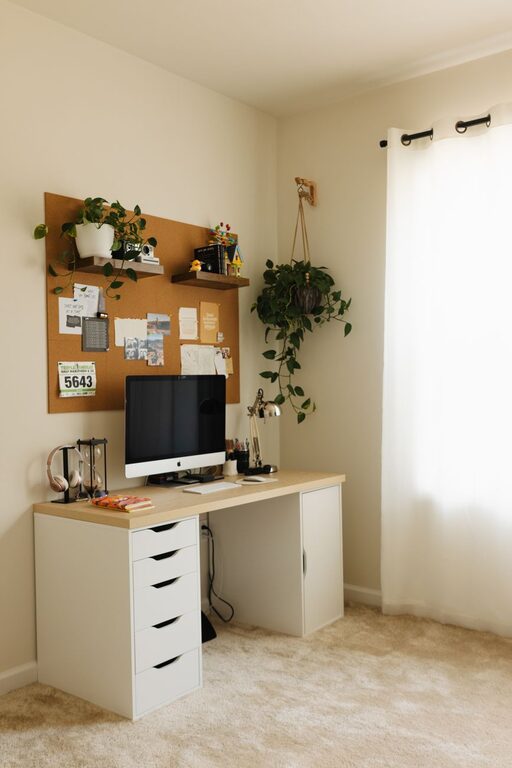
Tips for Creating a Cozy and Productive Home Office Environment
Creating a home office that feels both cozy and productive…
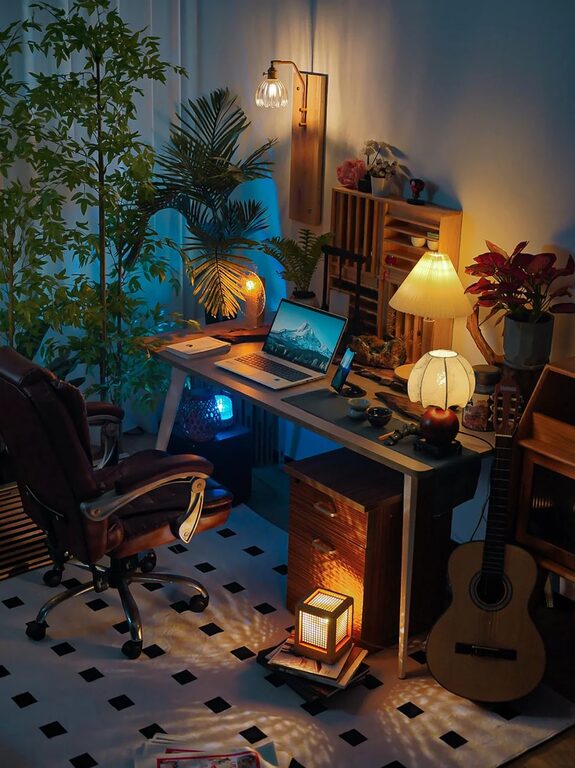
Tips for Creating a Cozy and Inviting Home Office Space
Creating a cozy and inviting home office is essential for…

Tips for Creating a Cozy and Inviting Home Workspace
Creating a cozy and inviting home workspace is more important…